BlejdeStart a project

Independent EV engineering

Charge controller testing, telemetry and power electronics for EVs.

We validate charging hardware, instrument vehicles and chargers, and design custom converters — from bench prototype to field data.

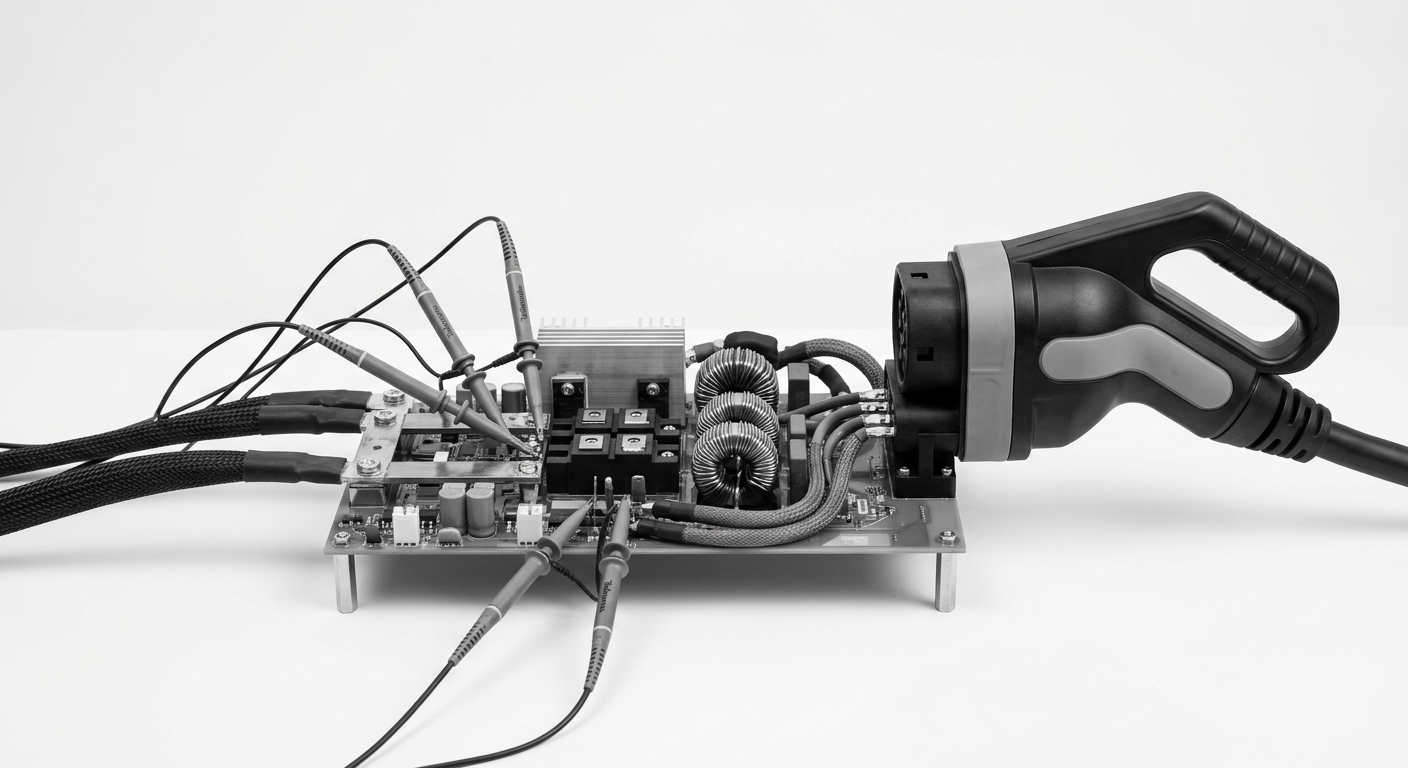
CCS connector attached to a power electronics board on a test bench
  • IEC 61851
  • ISO 15118
  • DIN 70121
  • OCPP 1.6 / 2.0.1
  • CAN / CAN FD
  • CHAdeMO
  • NACS / J3400
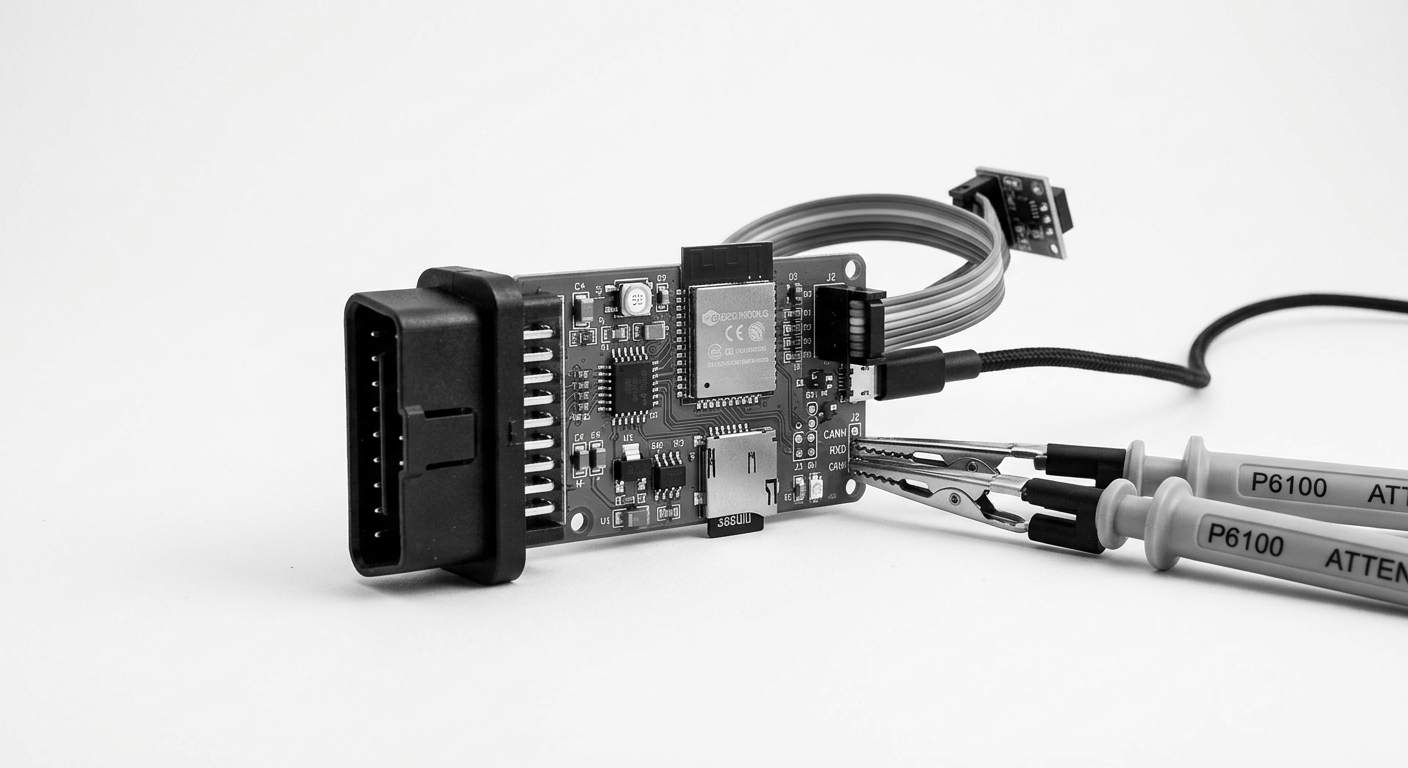
Prototype OBD-II telematics reader board with probes attached

OBD telematics reader

Plug into the port. Read the vehicle.

A compact reader for the OBD-II port that pulls battery, charging and drivetrain data off the vehicle bus and logs or streams it for analysis.

Interface
OBD-II / J1962
Bus
CAN / CAN FD, ISO 15765
Diagnostics
UDS, OBD PIDs, DBC decode
Data
SoC, pack V/I, cell temps, session logs
Storage
Local microSD buffer
Uplink
LTE / Wi-Fi / USB

Services

Three disciplines, one bench.

Most charging problems sit at the boundary between power, protocol and data. We work across all three.

Charge controller testing

Validation of EVSE and on-board charge controllers against the standards and the real vehicles they must work with.

  • SECC / EVCC conformance and interoperability
  • Hardware-in-the-loop test benches
  • Control pilot, PLC and fault injection
  • OCPP backend and firmware regression

EV telemetry collection

Instrumentation and data pipelines that capture what actually happens during a charging session or drive cycle.

  • CAN / CAN FD logging and DBC decoding
  • BMS, thermal and session data capture
  • Custom data loggers and edge gateways
  • Cloud ingestion and analysis tooling

Custom power electronics

Design and prototyping of converters and power stages for chargers and vehicles, including bidirectional systems.

  • AC/DC and isolated DC/DC stages
  • Bidirectional V2G / V2H topologies
  • SiC / GaN, gate drive and magnetics
  • Thermal design and bring-up

Approach

Measured, not assumed.

Engagements range from a single interoperability issue to full validation programmes. Every project follows the same disciplined loop.

  1. 01

    Scope

    Define the hardware, standards, vehicles and pass criteria. Agree what data is needed and why.

  2. 02

    Build

    Assemble test rigs, loggers or prototype power stages tailored to the system under test.

  3. 03

    Test

    Run conformance, interoperability, stress and fault cases on the bench and in the field.

  4. 04

    Report

    Deliver raw data, decoded traces, root-cause findings and clear recommendations.

Contact

Tell us what you're testing.

Share the hardware, the standard or the symptom. We'll reply with questions or a proposed test plan.